

Liposomal Iron Supplement
What is liposomes? Typically, lipids used in liposomes, such as phosphatidylcholine or cholesterol, are naturally found in cell membranes. However, other substances like polymers or artificial surfactants can also be utilized as alternatives. Lipids possess two distinct segments: a hydrophilic...
Description
What is liposomes?
Typically, lipids used in liposomes, such as phosphatidylcholine or cholesterol, are naturally found in cell membranes. However, other substances like polymers or artificial surfactants can also be utilized as alternatives.
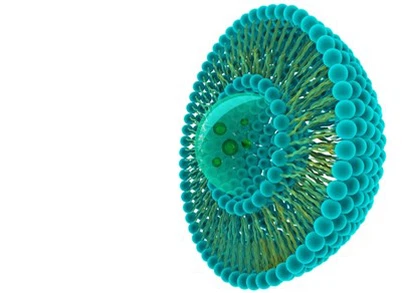
Lipids possess two distinct segments: a hydrophilic "head" with a negatively charged phosphate group, and two uncharged fatty acid chains forming the hydrophobic "tail." This amphiphilic nature is crucial for the formation of emulsions and liposomes. Due to differences in the chemical structure of the head and tail, various types of phospholipids exist.
When placed in an aqueous environment, the hydrophobic tails group together to avoid contact with water, resulting in the formation of simple (micelles) or double (as seen in liposomes or cell membranes) layers. Eventually, the lipids assemble into a spherical shape, with the phospholipid heads facing outward. This process can be facilitated by applying energy, such as through sonication, homogenization, heating, or simple shaking.
The liposomal iron supplement
The liposomal iron supplement are covered with liposome, a spherical structure of a phospholipidic nature that is similar to those human cell membranes. This preparation crosses the gastric acid barrier and reaches the small intestine intact. In the intestine, the M cells due
to their low lysozyme content integrally absorb liposomal iron without the need for specific transporters Subsequently, the liposome is incorporated by endocytosis from macrophages and through the lymphatic stream it reaches, intact, the hepatocytes. The liposomal protection allows the iron to overcome the free gastric environment, preventing early degradation of the substance and/or its inactivation and to be absorbed directly. This mechanism provides liposomal iron a greater availability, reduces gastrointestinal side effects, and prevents iron instability in the gastrointestinal tract to be directly absorbed into the intestine and directly liberated into
the liver. Consequently, this method of iron supplementation is associated with high gastrointestinal absorption, high bioavailability, and a low incidence of side effects. Nonetheless, the transportation of iron can be influenced by the size of liposomes, with reduced efficiency observed as the particle size increases. Moreover, the size of the liposome determines the pathways through which iron is taken up, such as modifying signaling processes crucial for cellular functions, receptor-mediated endocytosis, and phagocytosis, as opposed to the conventional absorption pathway.
absorption improvement
Liposomal delivery systems can significantly improve absorption for certain substances due to their unique structure and behavior. Here's how liposomes help with absorption:
Enhanced Bioavailability: Liposomes can protect the encapsulated substances, such as vitamins, minerals, or drugs, from degradation in the gastrointestinal tract. This protection ensures that a higher percentage of the substance reaches the bloodstream intact, increasing its bioavailability—the fraction of the substance that becomes available for the body to use.
Solubility Improvement: Liposomes can encapsulate both hydrophilic and hydrophobic substances. For hydrophobic compounds that have poor water solubility, liposomes provide a water-friendly environment in their aqueous core, improving solubility and making them easier to absorb.
Bypassing Barriers: Some substances face challenges in crossing biological barriers, such as the blood-brain barrier or cell membranes. Liposomes can act as carriers, facilitating the transport of substances across these barriers, allowing them to reach their target sites.
Targeted Delivery: Liposomes can be engineered to target specific cells, tissues, or organs. They can be designed to interact selectively with certain receptors on the cell surface, enabling targeted delivery and reducing side effects on non-target tissues.
Sustained Release: Liposomes can release the encapsulated substances slowly over time, providing a sustained and controlled release. This controlled release can optimize therapeutic effects and reduce the frequency of dosing.
Protecting the Substance: Liposomes shield the encapsulated substances from interactions with enzymes, acids, or other substances in the digestive system, preventing degradation and improving overall stability.
Reducing Toxicity: Liposomal delivery can also reduce the potential toxicity of certain substances by directing them to specific sites where they are needed, minimizing exposure to healthy tissues.
Hot Tags: liposomal iron supplement, China liposomal iron supplement manufacturers, suppliers, factory
Send Inquiry
You Might Also Like