

Iron Pyrophosphate Liposomal
Iron pyrophosphate liposomal, also known as ferric pyrophosphate, is a chemical compound containing iron and pyrophosphate ions. What are liposomes? Liposomes are tiny, hollow, spherical vesicles made up of two layers of lipids (fatty acids). These lipid vesicles are structurally formed by...
Description
Iron pyrophosphate liposomal, also known as ferric pyrophosphate, is a chemical compound containing iron and pyrophosphate ions.
What are liposomes?
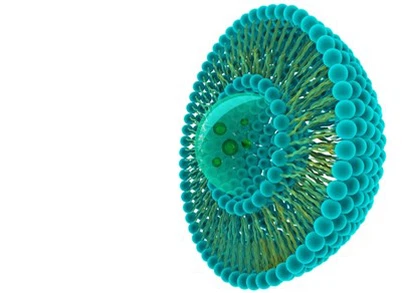
Liposomes are tiny, hollow, spherical vesicles made up of two layers of lipids (fatty acids).
These lipid vesicles are structurally formed by phospholipid bilayers, which possess a unique property of being amphipathic - with one side being fat-soluble and the other water-soluble.
This particular characteristic allows liposomes to self-seal in watery environments, making them an excellent transportation system.
As a result, liposomes serve as effective delivery vehicles for a wide range of bioactive compounds. Their aqueous core can carry hydrophilic nutrients like vitamins and plant extracts, making them an ideal carrier suitable for various applications in fields such as food, cosmetics, agriculture, and pharmaceuticals.
History of liposomes
The history of liposomes dates back to the 1960s when they were first discovered by British hematologist Dr. Alec D. Bangham. He and his colleagues were conducting experiments with phospholipids, the main building blocks of cell membranes, and observed that these phospholipids could form bilayers in water. This discovery laid the foundation for the development of liposomes.
In 1965, Bangham and R.W. Horne published a groundbreaking paper in the journal Nature titled "Negative staining of phospholipids and their structural modification by surface-active agents as observed in the electron microscope." This paper described the formation of liposomes and introduced the term "liposome" to describe these lipid vesicles.
Initially, liposomes were mainly studied for their significance in understanding cell membranes and the structure of biological membranes. However, researchers quickly recognized the potential of liposomes as drug delivery systems due to their ability to encapsulate both hydrophilic and hydrophobic substances.
In the 1970s, researchers like Dr. Yoshio Okada and Dr. D.D. Lasic made significant contributions to the field of liposomes, exploring various methods of liposome preparation and demonstrating their potential as carriers for drugs, enzymes, and other therapeutic agents.
In 1987, the first liposomal drug, Doxil (liposomal doxorubicin), was approved by the U.S. Food and Drug Administration (FDA) for the treatment of ovarian cancer. This marked a major milestone in the clinical application of liposomes for drug delivery.
Since then, liposomes have continued to evolve and find applications in various fields, including cancer therapy, vaccine delivery, gene therapy, and as dietary supplements. Researchers have developed different types of liposomes, such as long-circulating liposomes (PEGylated liposomes) that can evade the body's immune system for extended periods, improving drug delivery efficiency.
The history of liposomes demonstrates their versatility and potential as innovative drug delivery systems and carriers for various bioactive compounds, making them a significant area of research and development in the pharmaceutical and biomedical fields.
Liposomal Vitamin C:
For instance, liposomal vitamin C is a form of vitamin C supplement that encapsulates the active ingredient, enhancing its stability in the body. As a result, the vitamin C within the liposomes remains effective for a longer duration compared to traditional standard formats.
Liposomal Magnesium:
Magnesium, a vital mineral for musculoskeletal function, can also be found in liposomal magnesium supplements. The liposomal technology utilized in these supplements improves the bioavailability of magnesium. When magnesium salts are added to the liposome, the phospholipids create a protective barrier against gastric acid and digestive enzymes, enhancing nutrient absorption and digestion.
Liposomal L-Carnitine:
L-Carnitine, a natural component known for improving physical performance and muscular energy, is commonly used in sports. In liposomal L-Carnitine supplements, the liposomes facilitate absorption in the small intestine, leading to increased bioavailability and promoting its effectiveness in the body. The liposome acts as an effective vehicle for delivering L-Carnitine for optimal intestinal absorption and desired effects.
Liposomal Melatonin:
Melatonin, responsible for regulating sleep patterns, tends to decline with age, affecting sleep quality. Liposomal melatonin supplements, particularly in liquid form, improve the absorption and bioavailability of melatonin in the body. These liposomal formulations enhance the effectiveness of melatonin, aiding people in falling asleep.
Iron pyrophosphate liposomal
A specific formulation where iron pyrophosphate is encapsulated within liposomes to improve its delivery, stability, or bioavailability.
Hot Tags: iron pyrophosphate liposomal, China iron pyrophosphate liposomal manufacturers, suppliers, factory
Send Inquiry
You Might Also Like